Which cheese is healthiest?


Which Cheese Is Healthiest? – Introduction
Cheese is one of the most popular dairy foods in the world. But when it comes to health, not all cheeses are equal. So, which cheese is healthiest? The answer depends on what you are looking for: lower fat, more protein, less sodium, or better gut health. Understanding the healthiest cheese options can help you make smarter food choices every day.
In general, cheeses that are lower in fat, moderate in sodium, and high in protein tend to be the healthiest picks. Options like cottage cheese, ricotta, mozzarella, and feta are often recommended by nutrition experts. Whether you are managing your weight, watching your heart health, or simply trying to eat better, there is a healthy cheese option for you.
Discover the Healthiest Cheese in Dubai with 10-Minute Delivery
Healthy cheese, delivered in 10 minutes — yes, it’s real! Dubai residents can now enjoy fresh mozzarella, organic feta, or low-fat cottage cheese without leaving home. Forget the long supermarket lines or waiting hours for grocery delivery. With Prime Rush Grocery Store, your favorite cheeses and groceries arrive at lightning speed.
Serving Al Jaddaf and JVC, Prime Rush combines speed, convenience, and quality. Every order is carefully packed to ensure freshness, so whether you’re planning a quick meal, entertaining guests, or stocking your fridge, you get exactly what you need when you need it. Fast delivery, premium quality, zero stress — that’s the new standard of grocery shopping in Dubai.

What Makes a Cheese Healthy?
Not all cheeses offer the same nutritional value. Here are the key factors that determine whether a cheese is a healthy choice.
- Nutritional Value
- A healthy cheese should offer a good balance of protein, calcium, and essential vitamins.
- Look for cheeses with B12, vitamin A, and phosphorus on the label.
- Fermented cheeses like aged cheddar also contain small amounts of vitamin K2, which supports heart and bone health.
- Fat Content
- Full-fat cheeses are not always bad, but moderation is key.
- Low-fat and reduced-fat options (like part-skim mozzarella or low-fat cottage cheese) are better for those managing calorie intake.
- Avoid processed cheese spreads that contain added oils and artificial ingredients.
- Protein Quality
- Cheese is a complete protein source, meaning it contains all essential amino acids.
- High-protein cheeses like cottage cheese, Parmesan, and Swiss are ideal for muscle recovery and satiety.
- Protein helps you feel full longer, which supports weight management.
- Sodium Levels
- Some cheeses are high in sodium, which can raise blood pressure.
- Fresh cheeses like ricotta, mozzarella, and Swiss tend to be lower in sodium.
- Always check the nutrition label if you are on a low-sodium diet.
Low-Fat Cheese Options for Health
If you are watching your fat intake, choosing the right cheese makes a big difference. Many cheeses come in low-fat or reduced-fat versions without losing too much flavor.
Here are some of the best low-fat cheese choices:
- Cottage cheese (low-fat) – Very low in fat, high in protein, and very versatile
- Part-skim mozzarella – Great for salads and cooking, with less saturated fat
- Ricotta (part-skim) – Creamy texture with moderate fat and good protein
- Swiss cheese (light) – Lower fat than many hard cheeses, with a mild flavor
- Feta (reduced-fat) – Tangy and flavorful with fewer calories than most hard cheeses
These healthy low-fat cheese options are widely available and easy to include in everyday meals.
High-Protein Cheese Choices
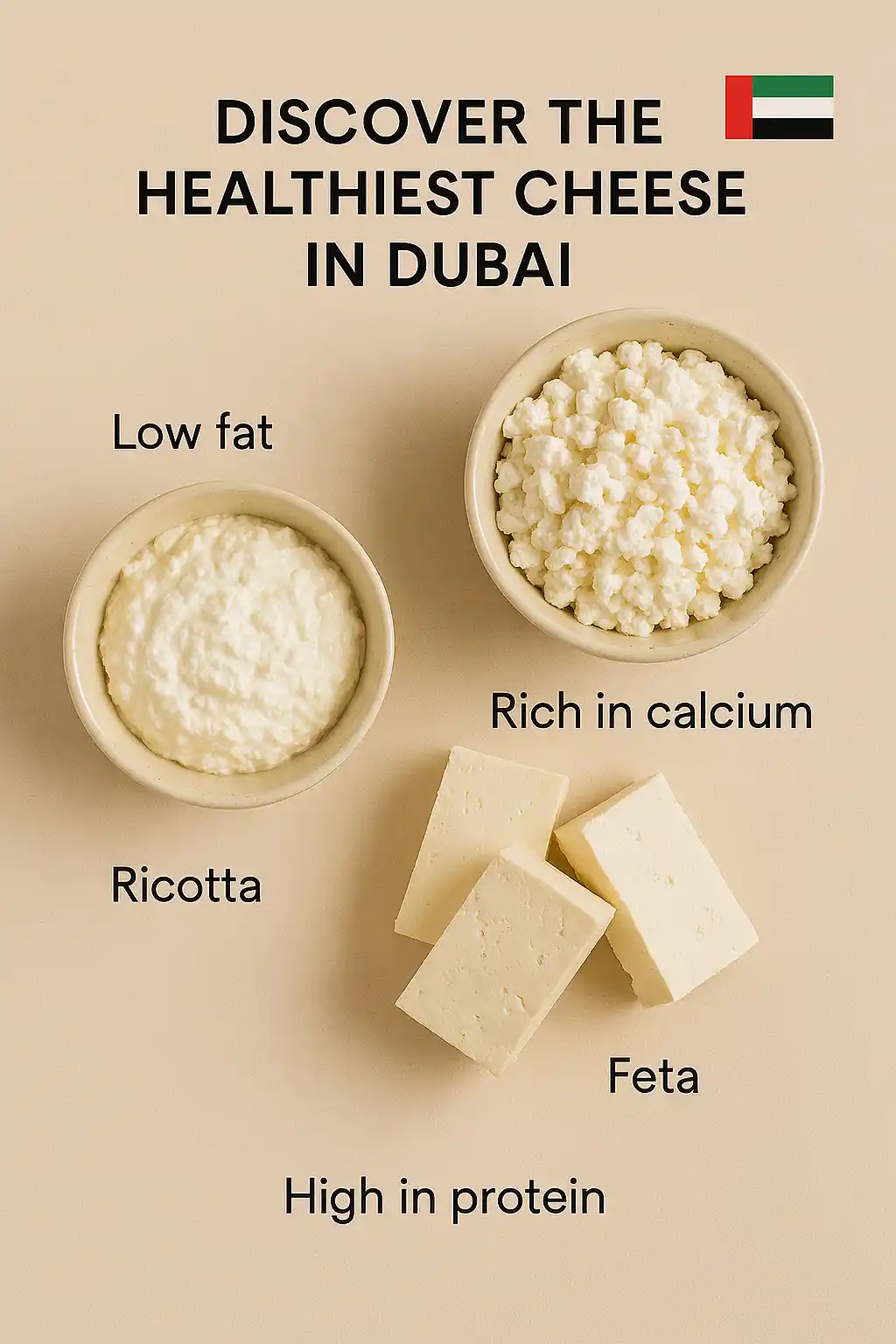
If you want more protein in your diet, cheese can be an excellent source. Here is a comparison of high-protein cheese varieties.
| Cheese Type | Protein per 30g Serving | Best For |
|---|---|---|
| Parmesan | ~10g | Pasta, salads, soups |
| Cottage Cheese (low-fat) | ~8g | Breakfast, snacks, dips |
| Swiss Cheese | ~8g | Sandwiches, melting |
| Mozzarella (part-skim) | ~7g | Pizza, salads |
| Cheddar (reduced-fat) | ~7g | Cooking, snacking |
| Ricotta (part-skim) | ~5g | Pasta fillings, desserts |
Cheese rich in protein is ideal for athletes, active individuals, and those following a high-protein diet.
Best Cheese for Heart Health
When it comes to heart health, the type of fat in cheese matters. Some cheeses are better than others for keeping your cardiovascular system strong.
The best cheese for heart health tends to be lower in saturated fat and sodium. Feta and goat cheese, for example, contain shorter-chain fatty acids that may be easier for the body to process. Swiss cheese is also a good option because it is naturally lower in sodium than most other varieties.
Key heart-friendly cheese choices include:
- Feta – Lower in fat and calories, with anti-inflammatory properties
- Goat cheese – Easier to digest, with less saturated fat than cow’s milk cheese
- Swiss cheese – Low sodium and a good source of protein
- Ricotta – Mild, with moderate fat and fewer additives
- Mozzarella (fresh) – Light and low in sodium when unsalted
Cheese with the Lowest Calories
Watching your calorie intake? These low-calorie cheese options let you enjoy cheese without overdoing it.
| Cheese Type | Calories per 30g | Notes |
|---|---|---|
| Cottage Cheese (low-fat) | ~25 kcal | Very low calorie, high protein |
| Ricotta (part-skim) | ~40 kcal | Creamy and mild |
| Feta | ~75 kcal | Flavorful, so less is needed |
| Mozzarella (fresh) | ~80 kcal | Light, soft texture |
| Brie | ~95 kcal | Rich flavor in small portions |
| Swiss Cheese | ~110 kcal | Nutty flavor, good nutrition |
The lowest calorie cheese options like cottage cheese and ricotta are great for those managing their weight.
Which Cheese Is Rich in Calcium?
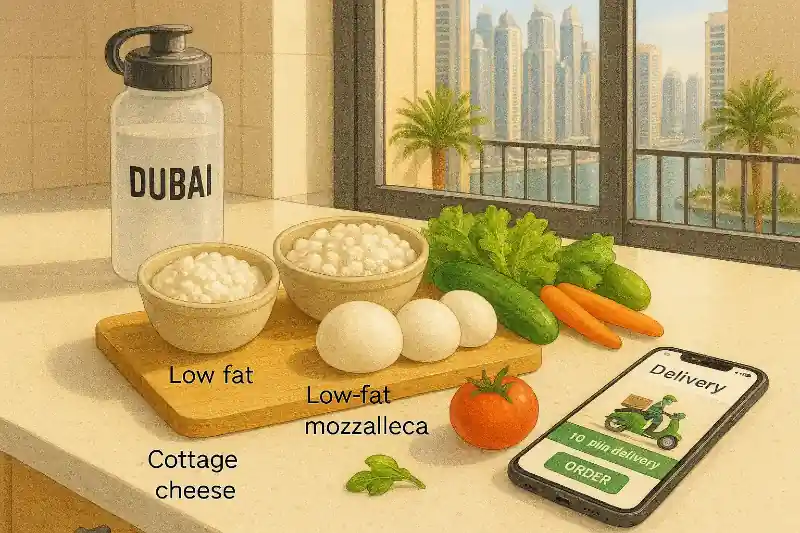
Calcium is essential for strong bones and teeth. Fortunately, cheese is one of the richest dietary sources of calcium available.
The following are the top calcium-rich cheese options:
- Parmesan – One of the highest calcium contents of any cheese (~330mg per 30g)
- Swiss cheese – Around 270mg of calcium per 30g serving
- Cheddar – About 200mg per 30g, widely available and easy to use
- Mozzarella – Around 180mg per 30g, great for everyday use
- Gouda – Good calcium content with a mild, creamy flavor
- Ricotta – Lower calcium than hard cheeses, but still a useful source
Including cheese high in calcium in your daily diet supports bone density, especially for children, women, and older adults.
Low-Sodium Cheese Varieties
High sodium intake is linked to high blood pressure and heart disease. If you need to reduce salt in your diet, choosing the right cheese is important.
The best low-sodium cheese options include:
- Fresh mozzarella (unsalted) – One of the lowest sodium cheeses available
- Swiss cheese – Naturally low in sodium compared to other hard cheeses
- Ricotta (unsalted) – A soft cheese with very low sodium when made without added salt
- Goat cheese (plain, fresh) – Mild and lower in sodium than aged varieties
- Cream cheese (plain) – Moderate sodium, much lower than processed cheese
- Mascarpone – Very low sodium, though high in fat
These cheeses for high blood pressure management can be enjoyed regularly when chosen carefully and consumed in reasonable portions.

Cheese That Supports Weight Loss
Many people avoid cheese when dieting, but that is not always necessary. Choosing the right cheese can actually help you lose weight by keeping you full and satisfied.
High-protein, low-fat cheeses like cottage cheese are excellent for cheese for weight loss. They are low in calories but filling, which helps you eat less throughout the day. Cottage cheese is especially popular in fitness and weight-loss communities because of its excellent protein-to-calorie ratio.
Other great healthy cheese for dieting options include part-skim mozzarella and ricotta. These give you the satisfaction of cheese without too many calories. The key is portion control — even healthy cheeses should be eaten in moderation as part of a balanced diet.
Comparing Hard vs Soft Cheese Health Benefits
Both hard and soft cheeses have nutritional advantages. Here is a simple side-by-side comparison.
| Feature | Hard Cheese (e.g., Parmesan, Cheddar) | Soft Cheese (e.g., Ricotta, Brie) |
|---|---|---|
| Protein | Higher (7–10g per 30g) | Moderate (3–7g per 30g) |
| Calcium | Higher | Moderate to lower |
| Fat | Varies; often higher | Usually lower to moderate |
| Sodium | Often higher | Usually lower |
| Calories | Higher per serving | Lower to moderate |
| Best for | Cooking, topping, snacking | Spreading, light meals, dips |
| Shelf life | Longer | Shorter |
The hard vs soft cheese health comparison shows that each type has a role in a healthy diet. Hard cheeses offer more calcium and protein, while soft cheeses tend to be lower in sodium and calories.

Goat Cheese vs Cow Cheese: Which Is Healthiest?
Choosing between goat cheese and cow cheese is a common question for health-conscious shoppers. Both have benefits, but they differ in key ways.
Goat Cheese
- Easier to digest due to smaller fat molecules
- Lower in lactose, making it suitable for those with mild lactose sensitivity
- Contains slightly less saturated fat than most cow’s milk cheeses
- Rich, tangy flavor that works well in salads and spreads
Cow Cheese
- Wider variety of types and textures
- Generally higher in calcium than goat cheese
- More widely available in different fat and sodium levels
- Suitable for cooking, snacking, and a wide range of recipes
In the goat cheese vs cow cheese debate, goat cheese wins for digestibility and lower lactose content. However, cow’s milk cheese offers more variety and often more calcium. The healthiest cheese comparison depends on your specific health needs.
Organic Cheese and Health Benefits
Organic cheese is made from milk produced by animals raised without synthetic hormones or antibiotics. This can make a difference to the quality of the final product, especially if you are concerned about what goes into your food.
Is organic cheese healthier? Research suggests that organic dairy may contain higher levels of omega-3 fatty acids compared to conventional dairy. These healthy fats support heart health and reduce inflammation. Organic cheese also tends to be free from artificial preservatives and colorings.
For shoppers in Dubai who prioritize clean eating, organic cheese benefits go beyond just taste. Choosing organic means supporting better farming practices and potentially getting a more nutritious product. Look for certified organic labels when shopping for cheese.

Best Cheese for Bone Strength
Strong bones require calcium, phosphorus, and vitamin K2 — all of which are found in cheese. Including cheese for bone health in your diet is a smart long-term investment.
The best cheese for strong bones includes:
- Parmesan – Extremely high in calcium and phosphorus
- Swiss cheese – Good calcium content with lower sodium
- Cheddar – Widely available, rich in calcium and vitamin K2
- Gouda – An excellent source of vitamin K2 for bone health
- Emmental – High in calcium and phosphorus, great for bone density
- Mozzarella – A lighter option that still contributes meaningful calcium
Regular, moderate consumption of calcium-rich cheeses can help prevent osteoporosis and support joint health over time.
Cheese for Gut Health: Probiotic Options
Your gut microbiome plays a major role in your overall health. Probiotic cheese contains live bacteria that can support digestive health and immunity.
Not all cheeses contain probiotics — only aged, unpasteurized, or specially fermented varieties do. The best cheese for gut health includes varieties that are fermented and contain live cultures.
Top probiotic cheese choices:
- Aged cheddar – Contains live cultures if unpasteurized
- Gouda – One of the best probiotic cheeses available
- Swiss cheese (raw/aged) – Contains natural beneficial bacteria
- Gruyère – Aged and fermented, good for gut flora
- Cottage cheese (with live cultures) – Check the label for active cultures
- Kefir cheese – Highly probiotic if available
Look for the phrase “contains live and active cultures” on the packaging when choosing cheese for gut health.
Dairy-Free Cheese Alternatives for Health
Not everyone can or wants to eat dairy. Dairy-free cheese options have improved dramatically in recent years and offer reasonable nutrition for a plant-based diet.
| Dairy-Free Cheese | Main Ingredient | Protein | Best For |
|---|---|---|---|
| Cashew cheese | Cashews | ~3–5g per 30g | Spreading, dips |
| Almond cheese | Almonds | ~3g per 30g | Snacking, melting |
| Soy-based cheese | Soy protein | ~5–6g per 30g | Cooking, pizza |
| Coconut cheese | Coconut oil | ~1–2g per 30g | Melting, light use |
| Nutritional yeast “cheese” | Nutritional yeast | ~4–5g per 30g | Sauces, toppings |
Vegan cheese healthy options are lower in saturated fat but also tend to be lower in protein and calcium compared to dairy cheese. If you choose dairy-free, consider supplementing with calcium and B12.
Cheese to Avoid for High Cholesterol
If you have high cholesterol, some cheeses can worsen the situation. It is important to know which types to limit.
Cheeses high in cholesterol and saturated fat to consume with caution:
- Full-fat brie and camembert – High in saturated fat and cholesterol
- Processed cheese slices – Contain added oils, sodium, and preservatives
- Cream cheese (full-fat) – Very high in fat with low protein value
- Mascarpone – One of the highest fat cheeses available
- Halloumi – High in saturated fat and sodium
- Processed cheese spreads – Often contain trans fats and artificial additives
The worst cheese for cholesterol management are typically high-fat processed varieties. Instead, choose fresh, lower-fat alternatives and keep portions small.
Which Cheese Has the Least Saturated Fat?
Saturated fat is a key concern for heart health and cholesterol management. Some cheeses are naturally much lower in saturated fat than others.
The least saturated fat cheese options include:
| Cheese Type | Saturated Fat per 30g |
|---|---|
| Cottage cheese (low-fat) | ~0.5g |
| Ricotta (part-skim) | ~1.5g |
| Mozzarella (part-skim) | ~2.5g |
| Feta | ~3g |
| Swiss cheese | ~3.5g |
| Goat cheese (soft) | ~3.5g |
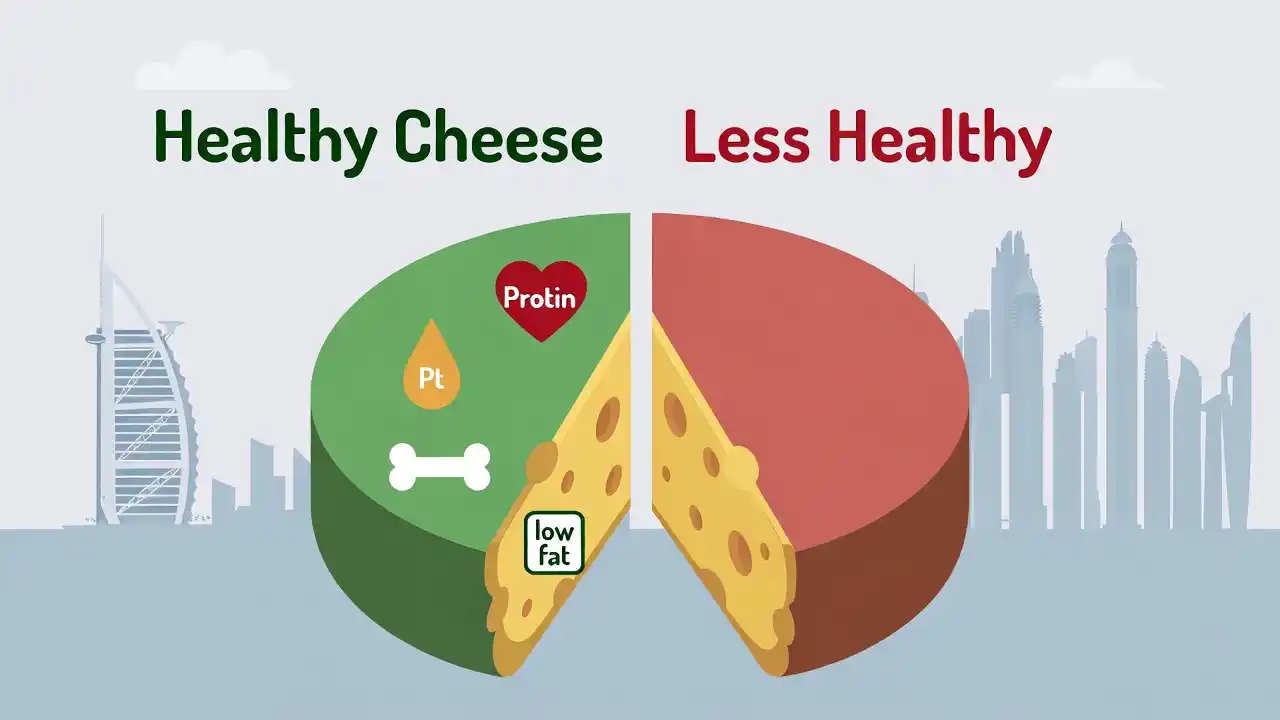
Choosing cheeses from the top of this list helps you enjoy dairy while keeping saturated fat intake in check.
Cheese for a Balanced Diet
Cheese can absolutely be part of a healthy, balanced diet. The key is choosing the right type, eating the right amount, and pairing it with nutritious foods like vegetables, whole grains, and lean proteins.
Healthy cheese intake is typically around 30–40g per day for most adults. This amount provides meaningful nutrition without overloading on saturated fat or sodium. Spreading your cheese intake across meals, rather than eating it all at once, also helps your body absorb nutrients more effectively.
Think of cheese as a flavor enhancer and nutritional booster rather than a main ingredient. A sprinkle of Parmesan on a salad, some fresh mozzarella on roasted vegetables, or cottage cheese with fruit can all be delicious, satisfying, and nutritious at the same time.
Low-Carb Cheese Choices
Cheese is naturally low in carbohydrates, making it an ideal food for keto cheese options and low-carb diets.
The best low-carb cheese choices include:
- Cheddar – Nearly zero carbs, great for snacking and cooking
- Parmesan – Very low carb, excellent flavor in small amounts
- Mozzarella – Low carb, perfect for keto pizza and salads
- Swiss cheese – Low carb with a mild, nutty taste
- Brie – Very low carb with a rich, creamy texture
- Cream cheese – Almost zero carbs, widely used in keto recipes
- Gouda – Very low in carbs, great for snacking
Most natural, unprocessed cheeses contain less than 1g of carbohydrate per serving, making them a safe and satisfying choice on a keto or diabetic-friendly diet.
Healthiest Cheese for Kids
Children need calcium, protein, and healthy fats for growth and development. Choosing the right cheese can support their nutrition from an early age.
Healthy cheese for kids should be mild in flavor, low in sodium, and easy to eat. Mozzarella sticks, mild cheddar slices, and cottage cheese are popular choices that children enjoy. These cheeses are nutrient-dense without being too salty or strong-flavored. Cottage cheese with fruit is a particularly good option for young children because it combines protein, calcium, and natural sweetness.
When choosing best cheese for children, always check sodium levels and avoid processed cheese products that contain artificial additives. Fresh, natural cheeses are always the best option for growing kids. A 20–30g serving of cheese a day is a healthy addition to a child’s balanced diet.
Choosing Cheese for Everyday Wellness
Making smart cheese choices does not have to be complicated. Here is a quick guide to support your daily cheese consumption for healthy cheese choices:
- Choose fresh or minimally processed cheeses whenever possible
- Aim for 30–40g per day as a general portion guideline
- Pick low-fat or reduced-fat versions for calorie and fat management
- Go for low-sodium varieties if you have blood pressure concerns
- Include probiotic-rich aged cheeses for gut health benefits
- Use hard cheeses like Parmesan in small amounts for big flavor and high calcium
- Try goat cheese or mozzarella if you have mild lactose sensitivity
- Pair cheese with fiber-rich foods like vegetables, fruits, and whole grains
- Read the label — avoid cheeses with a long list of additives or preservatives
Fresh, Healthy Cheese Delivered Across Dubai
Getting fresh, healthy cheese delivered in Dubai has never been easier. Whether you’re craving organic feta for a salad, low-fat cottage cheese for a snack, or aged Parmesan to elevate your dishes, having quality cheese at your fingertips is a game-changer for anyone focused on eating well. In a city as fast-paced as Dubai, a grocery solution that matches your lifestyle isn’t just convenient.
Prime Rush Grocery Store makes it simple. With carefully selected cheese and groceries delivered straight to your home or office, you can enjoy fresh ingredients without the hassle of long supermarket trips. With locations in Al Jaddaf and JVC, Prime Rush ensures speedy delivery across Dubai, often in under 10 minutes. Shop fresh, eat well, and reclaim your time.

Summary
Here is a quick recap of the key points from this guide:
- The healthiest cheeses are generally lower in fat, sodium, and calories, and higher in protein and calcium
- Cottage cheese is one of the best overall options for weight loss and high protein
- Parmesan and Swiss cheese are top choices for calcium and bone health
- Goat cheese and fresh mozzarella are easier to digest and lower in sodium
- Aged cheeses like Gouda and Swiss contain probiotics that support gut health
- Dairy-free cheese is available for vegans but tends to be lower in protein and calcium
- Avoid processed cheese and full-fat spreads if you have high cholesterol
- Most natural cheeses are low in carbs and suitable for keto diets
- For kids, choose mild, low-sodium cheeses like mozzarella and mild cheddar
- Aim for 30–40g per day as a balanced daily serving
FAQs
What is the healthiest cheese to eat every day?
Cottage cheese and mozzarella are among the healthiest choices for daily consumption. They are low in calories, high in protein, and moderate in fat and sodium.
Is feta cheese healthier than cheddar?
Feta is generally lower in calories and fat than cheddar, making it a lighter option. However, cheddar contains more calcium. Both can be part of a healthy diet in moderation.
Which cheese is best for losing weight?
Low-fat cottage cheese is the best cheese for weight loss. It is very low in calories but high in protein, which helps you feel full and reduces overall calorie intake.
Is cheese good for people with high blood pressure?
Some cheeses are fine for people with high blood pressure, especially low-sodium options like fresh mozzarella, Swiss cheese, and ricotta. Avoid high-sodium cheeses like halloumi and processed slices.
Does cheese help build strong bones?
Yes. Cheese is rich in calcium and phosphorus, both of which are essential for strong bones. Parmesan, Swiss, and cheddar are among the best choices for bone health.
Is dairy-free cheese as healthy as regular cheese?
Dairy-free cheese is a good option for vegans or those with lactose intolerance, but it is generally lower in protein and calcium. Check labels carefully and consider supplementing if needed.
Can kids eat cheese every day?
Yes, in moderate amounts. A daily serving of 20–30g of mild, low-sodium cheese like mozzarella or mild cheddar is nutritious and beneficial for children’s growth and development.
10-Minute Grocery Delivery, Al Jaddaf
Looking for a reliable grocery store near you in Dubai? Prime Rush Grocery Store is located at Shop No. 2, The Residence Tower, Al Jaddaf, Dubai — offering 10-minute grocery delivery in Al Jaddaf and fast delivery across the wider Dubai area. Whether you need a specific healthy cheese, organic dairy, or your weekly essentials, Prime Rush has you covered with fresh products and lightning-fast service. Stop searching and start ordering — your groceries are closer than you think.