Egg Nutrition Facts

Egg Nutrition Facts – Overview
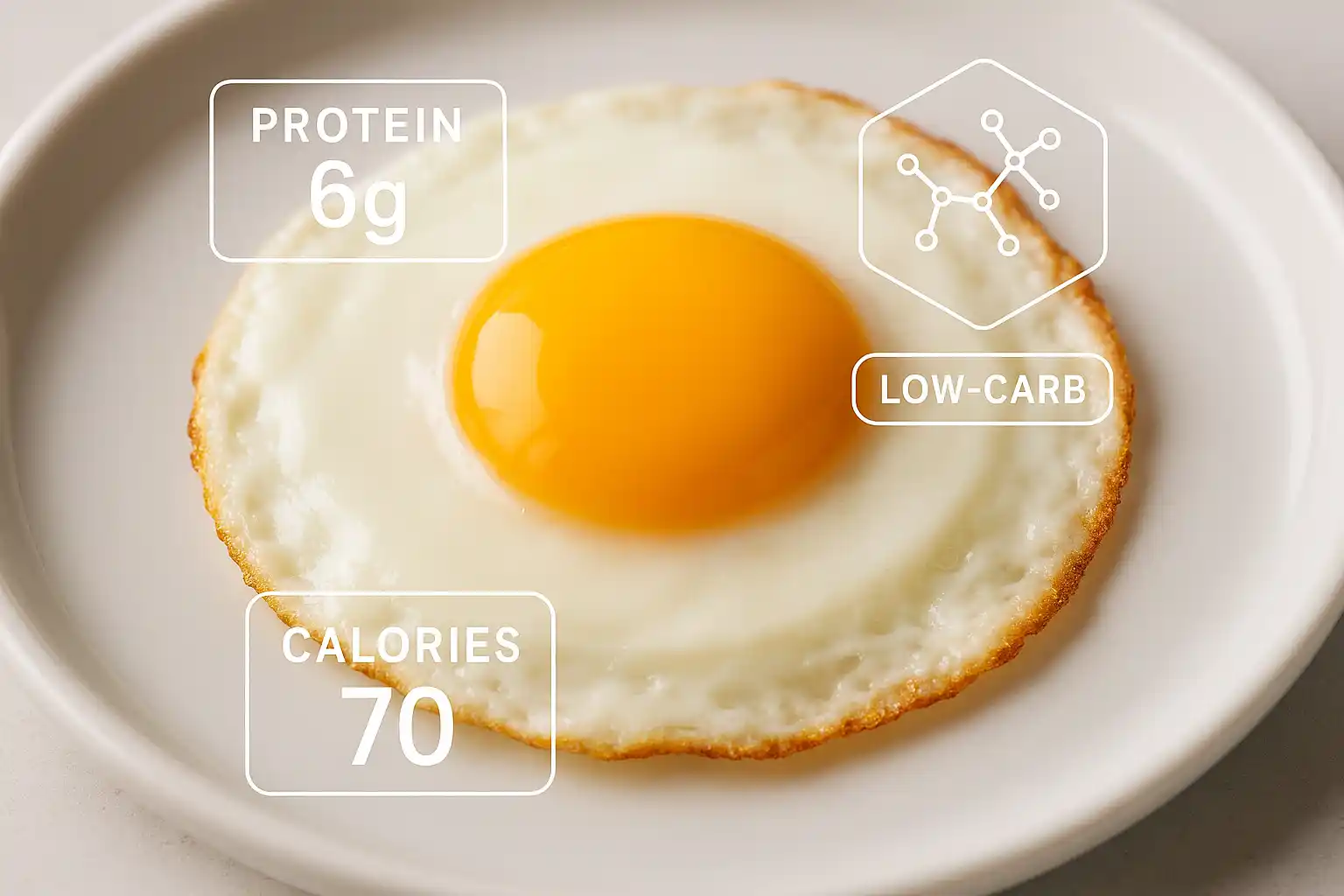
Egg nutrition facts show that eggs are one of the most complete foods in nature. One large egg contains about 70 calories, 6 grams of protein, healthy fats, and a wide range of vitamins and minerals. The nutritional value of eggs makes them a smart choice for almost any diet or lifestyle.
What makes eggs special is their nutrient density. They provide high-quality protein, essential vitamins like B12 and D, and important minerals like selenium and zinc, all in a small, affordable package. Whether you eat them boiled, scrambled, or poached, the nutrition in eggs remains impressive.
Fresh Eggs in Dubai with Under 10-Minute Delivery
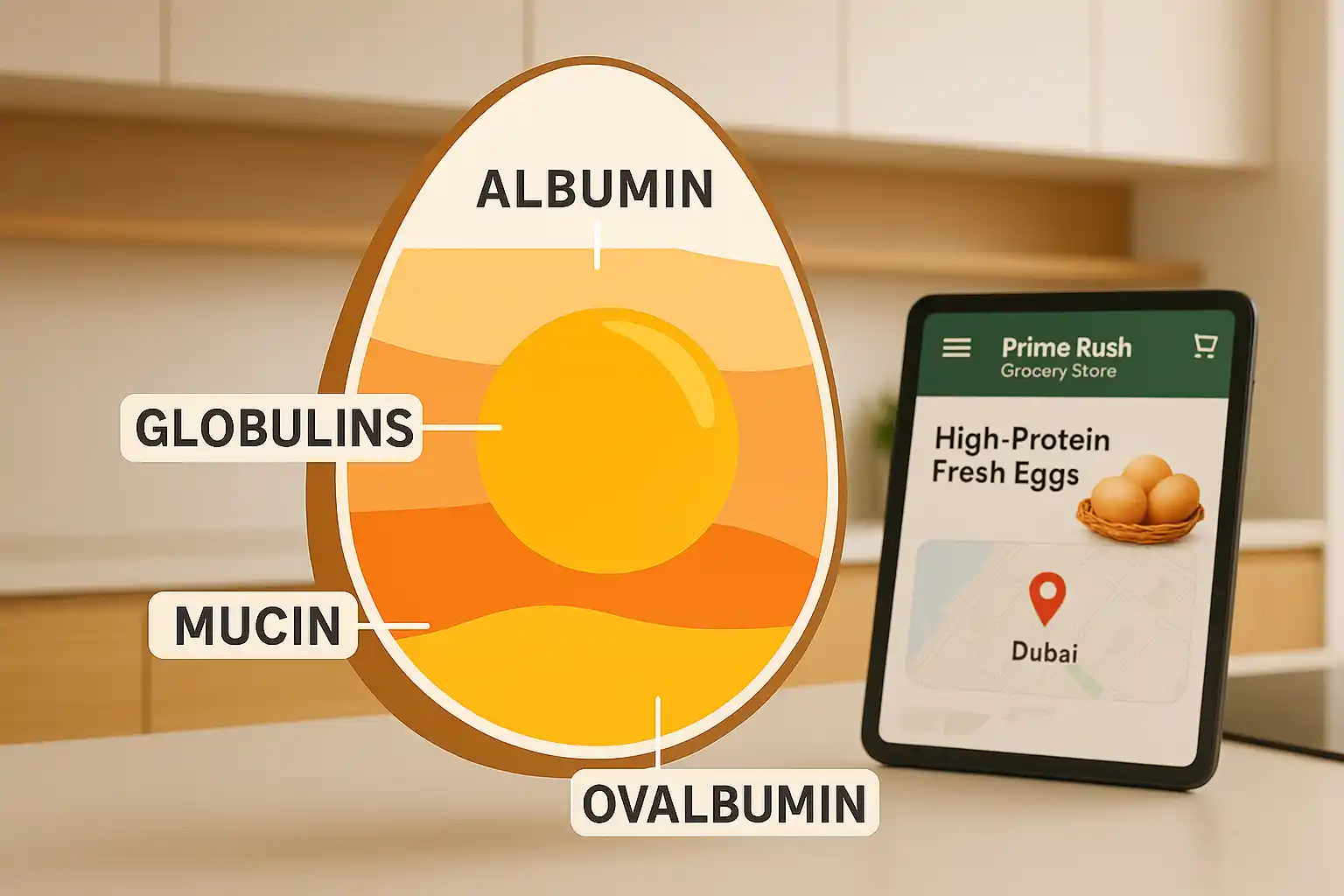
Getting fresh eggs in Dubai has never been easier. With fast grocery delivery now available across the city, you can have eggs at your door in under 10 minutes. Prime Rush Grocery Store, located in Al Jaddaf and JVC, offers quick and reliable egg delivery Dubai residents can count on.
Here is why customers love shopping with Prime Rush:
- Ultra-fast delivery: eggs and groceries arrive in under 10 minutes
- Fresh stock daily: always in-date and carefully handled
- Easy ordering: shop from your phone anytime
- Wide selection: free-range, white, brown, and organic eggs available

Calories in One Large Egg
One large egg contains approximately 70 calories. Most of these calories come from protein and fat. The egg white contributes about 17 calories, while the yolk contains around 55 calories. This makes eggs a calorie-efficient food with strong nutritional value.
| Nutrient | Amount (1 Large Egg) |
|---|---|
| Calories | 70 kcal |
| Protein | 6 g |
| Total Fat | 5 g |
| Carbohydrates | 0.6 g |
| Cholesterol | 186 mg |

Egg Nutrition Facts: Protein Breakdown
- Total Protein: One large egg provides about 6 grams of protein. This is a significant amount for such a small food. Both the white and the yolk contain protein, though the white holds slightly more.
- Amino Acids: Eggs contain all 9 essential amino acids, including leucine, lysine, and methionine. These amino acids are the building blocks your body cannot make on its own. This is why eggs are called a complete protein source.
- Absorption Rate: Eggs have one of the highest protein absorption rates of any food. Studies show the body absorbs up to 91% of the protein from cooked eggs. This makes eggs one of the most efficient protein sources available.
Vitamins in Egg Nutrition Facts
Eggs provide both fat-soluble and water-soluble vitamins.
Fat-Soluble Vitamins:
- Vitamin A – Supports eye health and immune function
- Vitamin D – Helps calcium absorption and bone health
- Vitamin E – Acts as an antioxidant
- Vitamin K – Important for blood clotting
Water-Soluble Vitamins:
- Vitamin B2 (Riboflavin) – Supports energy production
- Vitamin B5 (Pantothenic Acid) – Helps metabolize fats and carbs
- Vitamin B12 – Essential for brain function and red blood cells
- Folate (B9) – Important during pregnancy
- Biotin (B7) – Supports hair, skin, and nail health
Key Minerals from Eggs
Eggs are packed with essential minerals that support overall health, from selenium for antioxidant protection to calcium and phosphorus for strong bones. This table shows the key minerals in a single large egg and their contribution to your daily needs.
| Mineral | Function | % Daily Value (per large egg) |
|---|---|---|
| Selenium | Antioxidant, thyroid support | 28% |
| Phosphorus | Bone and teeth health | 10% |
| Zinc | Immune function, wound healing | 5% |
| Iron | Oxygen transport in blood | 4% |
| Iodine | Thyroid hormone production | 16% |
| Calcium | Bone strength | 2% |
Choline in Egg Nutrition
Choline is one of the most important nutrients found in eggs, yet many people do not get enough of it. One large egg provides about 147 mg of choline, which covers roughly 27% of your daily needs. Most of this choline is found in the yolk.
Choline is essential for brain development, memory, and liver function. It also supports the nervous system and helps produce the neurotransmitter acetylcholine. For pregnant women, choline is especially important for the healthy development of the baby’s brain.
Healthy Fats Egg Facts
One large egg contains about 5 grams of total fat. Not all fats are the same, and eggs contain a healthy mix:
- Saturated Fat – About 1.6 g per egg. This is moderate and within healthy limits for most adults.
- Monounsaturated Fat – About 2 g per egg. This is the “good” fat also found in olive oil. It supports heart health.
- Polyunsaturated Fat – About 0.7 g per egg. This includes omega-3 and omega-6 fatty acids, which reduce inflammation and support brain health.
Eggs from free-range or pasture-raised hens tend to have higher omega-3 content.

Egg White Nutrition Facts
Egg whites are pure protein with almost no fat or cholesterol. One large egg white contains about 17 calories and 3.6 grams of protein. They are popular among athletes and people following low-fat or low-calorie diets.
| Nutrient | Egg White | Whole Egg |
|---|---|---|
| Calories | 17 kcal | 70 kcal |
| Protein | 3.6 g | 6 g |
| Fat | 0 g | 5 g |
| Cholesterol | 0 mg | 186 mg |
| Vitamins | Minimal | Full range |
The egg white is great for protein, but the whole egg offers far more nutritional value.
Egg Yolk Nutrition Highlights
Many people avoid the yolk, but it is actually the most nutrient-dense part of the egg. Here is what the yolk provides:
- Choline – Critical for brain and liver health
- Vitamin D – One of the few natural food sources
- Vitamin A – Supports vision and immunity
- Lutein and Zeaxanthin – Powerful antioxidants for eye health
- B Vitamins – B12, B5, and folate are mostly in the yolk
- Healthy Fats – Monounsaturated and polyunsaturated fats
- Iron and Zinc – Essential minerals for energy and immunity
The yolk deserves a place in a balanced diet. Do not skip it.
Egg Nutrition Facts: Cholesterol Myth
Myth: Eating eggs raises your blood cholesterol and causes heart disease.
Fact: Research now shows that dietary cholesterol from eggs has very little effect on blood cholesterol for most healthy people. The liver adjusts its own cholesterol production depending on how much you eat. Most major health organizations, including the American Heart Association, no longer strictly limit egg consumption for healthy adults.
What truly raises bad cholesterol is trans fat and excess saturated fat — not the cholesterol in eggs. Most people can safely eat one egg per day without any negative effect on heart health. In fact, the nutrients in eggs actively support cardiovascular health.
Antioxidants in Eggs
Eggs contain two powerful antioxidants that are rarely found in other foods: lutein and zeaxanthin. These are carotenoids concentrated in the egg yolk.
- Lutein – Helps protect the retina from damage caused by blue light and UV exposure
- Zeaxanthin – Works alongside lutein to reduce the risk of age-related macular degeneration and cataracts
Both antioxidants absorb light in the visible spectrum and act as a natural filter for the eyes. Eating eggs regularly is one of the best ways to increase these nutrients in your diet.
Selenium Egg Nutrition Benefits
One large egg provides about 15–20 mcg of selenium, covering around 28% of the recommended daily intake. Selenium is a trace mineral with powerful antioxidant properties. It supports thyroid function, boosts immune response, and helps protect cells from oxidative stress. Because selenium is naturally present in eggs, they are one of the easiest and most affordable ways to meet your daily selenium needs.
Egg Nutrition for Eye Health
Eggs are excellent for eye health, thanks largely to two key antioxidants. Lutein and zeaxanthin are found in high concentrations in the egg yolk. These nutrients filter harmful light, reduce inflammation in the eyes, and lower the risk of conditions like cataracts and macular degeneration.
In addition, eggs also contain Vitamin A, which is essential for maintaining good night vision and preventing dry eyes. A deficiency in Vitamin A is one of the leading causes of preventable blindness worldwide. Eating eggs regularly gives your eyes the nutrients they need to stay healthy as you age.
Complete Protein Egg Facts
Eggs are considered a complete protein because they contain all 9 essential amino acids. These are amino acids the body cannot produce on its own and must get from food.
The essential amino acids in eggs include:
- Leucine – Supports muscle growth and repair
- Isoleucine – Helps with energy regulation
- Valine – Supports muscle metabolism
- Lysine – Important for immune function and collagen production
- Methionine – Supports metabolism and detoxification
- Phenylalanine – Precursor to neurotransmitters
- Threonine – Helps maintain proteins in the body
- Tryptophan – Required for serotonin production
- Histidine – Supports growth and tissue repair
This complete amino acid profile makes eggs one of the best protein sources for athletes, older adults, and anyone looking to build or preserve muscle.
Low-Carb Egg Nutrition Stats
Eggs are naturally very low in carbohydrates. One large egg contains less than 1 gram of carbs — making eggs one of the best foods for a keto or low-carb diet. They provide high protein and healthy fats with almost no impact on blood sugar. For anyone following a low carb egg diet, eggs are a staple food that is easy to cook, affordable, and nutritionally complete.
Vitamin D in Egg Facts
Eggs are one of the few natural food sources of Vitamin D. One large egg provides approximately 41 IU of Vitamin D, found mainly in the yolk. This covers about 5–10% of the daily recommended intake.
Vitamin D is essential for bone health, calcium absorption, immune function, and mood regulation. Many people in the UAE and wider Middle East are Vitamin D deficient due to limited sun exposure. Adding eggs to your diet is a simple and delicious way to support your Vitamin D intake naturally.
Egg Nutrition Facts by Size
The nutritional content of eggs varies by size. Here is a comparison:
| Egg Size | Calories | Protein | Fat | Carbs |
|---|---|---|---|---|
| Small | 54 kcal | 4.8 g | 3.7 g | 0.4 g |
| Medium | 63 kcal | 5.5 g | 4.4 g | 0.5 g |
| Large | 70 kcal | 6.0 g | 5.0 g | 0.6 g |
| Extra Large | 80 kcal | 7.0 g | 5.6 g | 0.6 g |
Always check the size when tracking macros, as the difference between small and extra-large eggs is significant.
Daily Egg Intake Guidelines
For most healthy adults, eating 1 to 2 eggs per day is considered safe and beneficial. Current dietary guidelines do not set a strict upper limit for egg consumption in people without pre-existing heart conditions or high cholesterol. The key is to consider your total diet — if the rest of your meals are low in saturated fat, eating eggs daily is generally fine.
For people with type 2 diabetes, high LDL cholesterol, or cardiovascular disease, it is wise to speak with a healthcare professional about how many eggs to eat per week. Some research suggests limiting intake to 4–6 eggs per week in these cases. Pregnant women, on the other hand, may benefit from eating eggs daily due to the high choline and folate content, which support fetal development.

Lutein in Egg Nutrition
Eggs are among the richest dietary sources of lutein, a carotenoid antioxidant concentrated in the yolk. A single large egg provides 200–350 mcg of lutein and zeaxanthin combined. Studies show that lutein from egg yolks is absorbed more effectively than from plant sources such as spinach or kale. Regular consumption supports macular health and may lower the risk of age-related vision deterioration.
Summary
Here are the key takeaways from egg nutrition facts:
- Eggs are a complete protein — they contain all 9 essential amino acids
- One large egg has about 70 calories, 6g protein, and 5g healthy fat
- Egg yolks are nutrient-dense — rich in choline, Vitamin D, lutein, and B vitamins
- Eggs are extremely low in carbs — ideal for keto and low-carb diets
- Eggs support eye health through lutein and zeaxanthin antioxidants
- The cholesterol myth is outdated — eggs do not raise bad cholesterol for most people
- Selenium in eggs supports thyroid health and immune function
Shop Fresh Eggs and Daily Essentials Across Dubai with Fast Local Delivery
Looking to buy eggs in Dubai without leaving your home? Prime Rush Grocery Store makes it simple. With two convenient locations — Shop No. 2, The Residence Tower, Al Jaddaf and Dusk by Binghatti, JVC District 16 — Prime Rush delivers fresh eggs and groceries to your door in under 10 minutes.
Here is what you get when you shop with Prime Rush:
- Egg delivery near me — fast, reliable, and always fresh
- Wide variety — white eggs, brown eggs, free-range, and organic options
- Grocery delivery Al Jaddaf and JVC — covering key neighbourhoods across Dubai
- No waiting — place your order and have it delivered while your coffee is still hot
- Quality guaranteed — all products are freshly stocked and handled with care

FAQs
How many calories are in one egg?
One large egg contains approximately 70 calories. The exact count varies slightly by size — a small egg has about 54 calories, while an extra-large egg has around 80 calories.
How much protein is in an egg?
A large egg provides about 6 grams of protein. Both the white (3.6g) and yolk (2.7g) contribute to the total protein content.
Are eggs high in cholesterol?
Yes, one large egg contains about 186 mg of dietary cholesterol. However, for most healthy people, eating eggs does not significantly raise blood cholesterol levels. Current research shows that dietary cholesterol from eggs has minimal effect on heart disease risk.
Is it safe to eat eggs every day?
For most healthy adults, eating 1 to 2 eggs per day is safe and nutritious. People with certain health conditions should consult their doctor about appropriate egg intake.
What vitamins are in eggs?
Eggs are rich in Vitamins A, D, E, K, B2, B5, B12, folate, and biotin. Most of these vitamins are concentrated in the yolk.
Are eggs good for weight loss?
Yes. Eggs are low in calories, high in protein, and very filling. Eating eggs for breakfast has been shown to reduce hunger and total calorie intake throughout the day.
What is the difference between egg white and whole egg nutrition?
Egg whites are high in protein and low in fat and calories. The whole egg contains more calories but also provides a full range of vitamins, healthy fats, choline, and antioxidants. For complete nutrition, the whole egg is the better choice.
Best Local Grocery Store in Al Jaddaf, Dubai
Looking for a grocery store that makes shopping effortless? Prime Rush Grocery Store in Al Jaddaf, near The Residence Tower, has you covered. From fresh produce to pantry essentials and dairy, everything is high-quality and ready when you need it. With a second location in JVC District 16, Prime Rush delivers groceries straight to your door in under 10 minutes — anytime, any day. Fast, fresh, and convenient grocery shopping has never been easier.