Types of Cheese

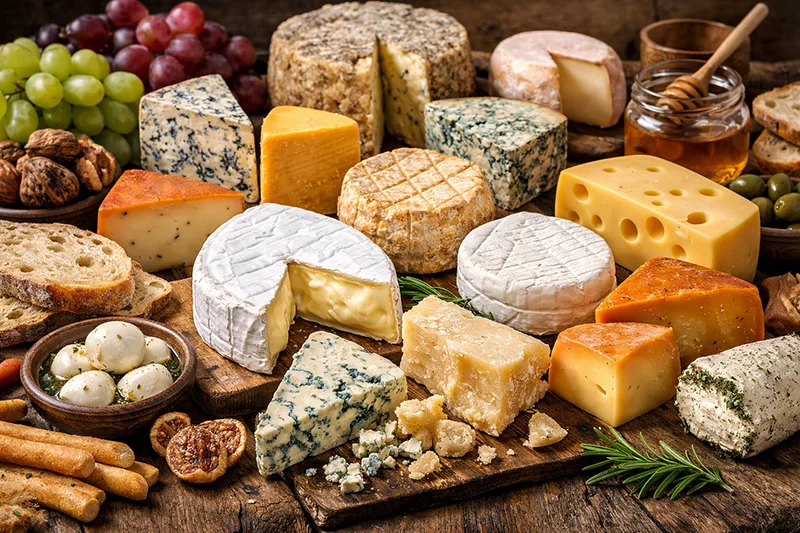
Cheese is one of those foods that just makes life better. Whether you love a soft, creamy cheese that spreads easily on bread or a hard, salty one that packs a lot of flavor, there is something for everyone. It is amazing how many different textures and tastes you can find in the world of cheese. From your morning sandwich to a fancy dinner party, the right cheese always adds that special touch to your meal.
Stay with us to learn about the different types of cheese and find your new favorite. If you are looking for the best quality and most delicious options in Dubai, Prime Rush has exactly what you need. You can visit us at our two locations in JVC and Al Jaddaf, or even better, you can shop online from the comfort of your home! We bring the finest cheeses right to your door, making it easier than ever to enjoy a world of flavor.
Different Types of Cheese
Did you know there are over 1,800 different types of cheese in the world? It is amazing how just a few simple ingredients can create so many different flavors and textures! From the snowy mountains of Europe to local farms, every cheese has its own secret recipe. Because there are so many options, we like to group them into 7 main families to help you find exactly what you are looking for. Whether you want something that melts perfectly or something that crumbles over a salad, understanding these groups makes your shopping much more fun.
7 Main Families of Cheese: A Complete Guide
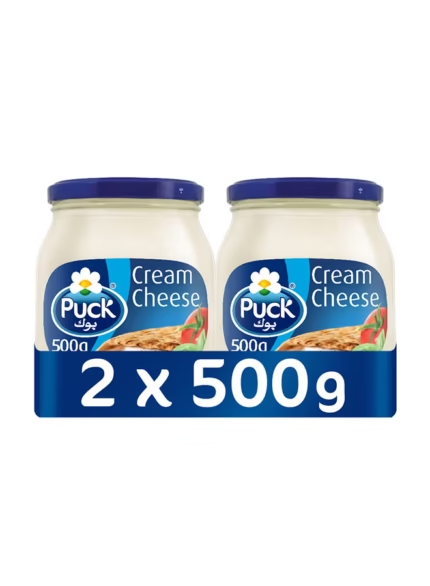
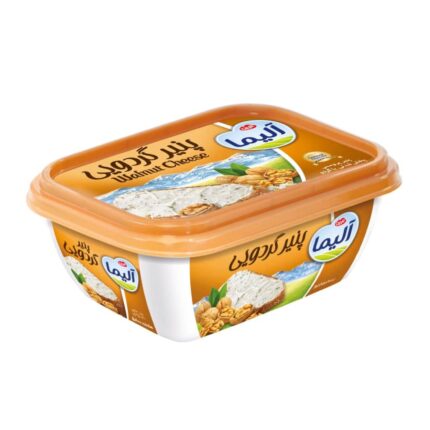
- Fresh Cheeses (No Rind) These are the “babies” of the cheese world. They are not aged at all, which makes them mild, white, and creamy. Since they are fresh, they have a short shelf life.
- Examples: Ricotta, Cottage Cheese, and Cream Cheese.
- Soft-Ripened Cheeses (Bloomy Rind) These cheeses look beautiful with a fuzzy white skin on the outside. The inside is soft and gooey, almost like thick cream. They are rich and feel very fancy on a cheese board.
- Examples: Brie and Camembert.
- Semi-Hard Cheeses This is the most popular group. These cheeses have a smooth, repeatable flavor and a texture that is easy to slice or melt. They are perfect for sandwiches or snacks.
- Examples: Gouda, Havarti, and Edam.
- Hard Cheeses These are aged for a long time (months or even years), which makes them very firm and crumbly. They usually have a strong, deep flavor and are great for grating over hot dishes.
- Examples: Parmesan, Manchego, and Pecorino.
- Blue Cheeses You can recognize these by the blue or green veins running through them. They have a very strong smell and a sharp, salty taste. People either love them or hate them, but they are amazing with honey!
- Examples: Gorgonzola, Roquefort, and Stilton.
- Washed-Rind Cheeses These are often called “stinky cheeses.” During the making process, they are washed with brine or even orange juice! This gives them a strong aroma but a surprisingly mild and savory taste inside.
- Examples: Taleggio and Munster.
- Pasta Filata (Stretched Curd) This is a special group where the cheese is pulled and stretched while it is warm. This process gives them a famous “elastic” or stretchy quality that we all love on pizza.
- Examples: Mozzarella, Burrata, and Halloumi.
6 Most Popular Types of Cheese
The world of cheese is incredibly diverse, with hundreds of varieties to choose from. Whether they are soft, hard, fresh, or aged, each type has its own unique story and way of being made. Understanding these differences helps you choose the perfect match for your cooking or your next snack.
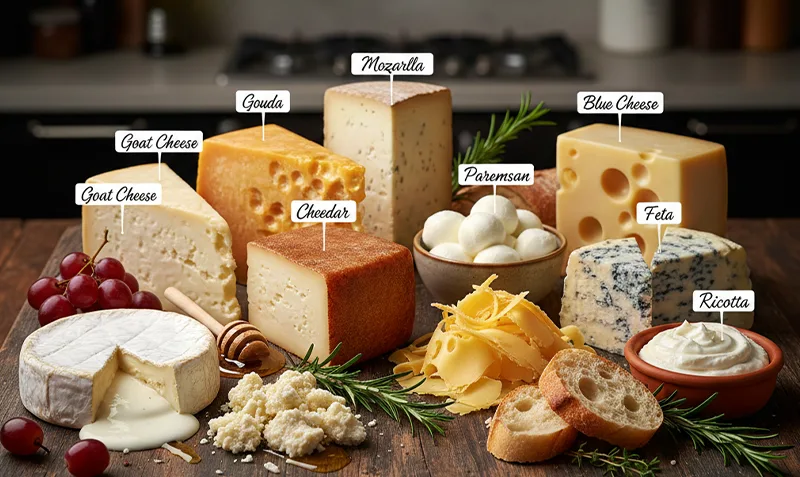
- Mozzarella This is the king of melting cheeses. Originally from Italy, it is famous for its milky flavor and stretchy texture. It is the best choice for pizzas and salads like Caprese because it is fresh, light, and very easy to eat.
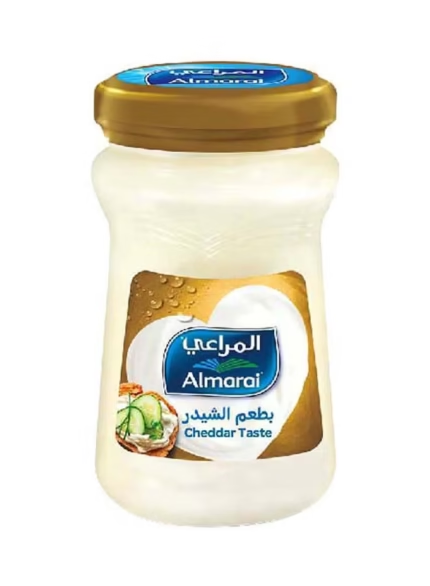
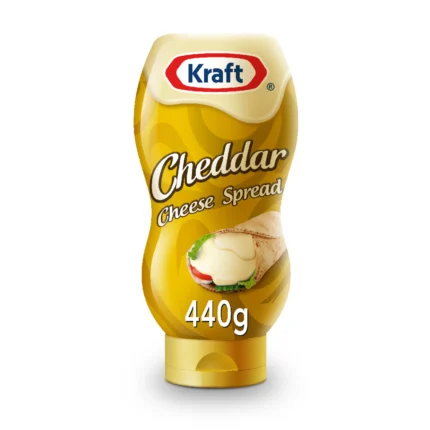
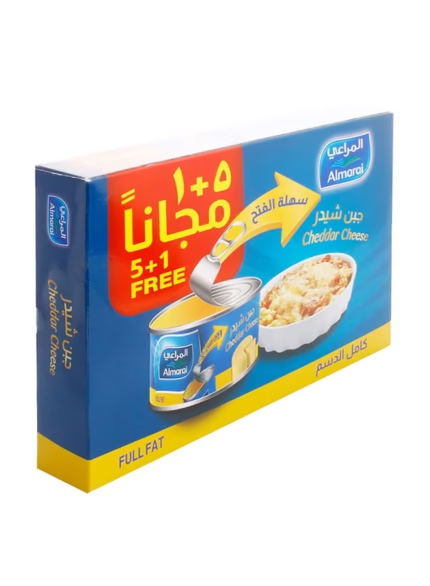
- Cheddar Cheddar is one of the most famous cheeses in the world. It starts off smooth and mild, but as it gets older, the flavor becomes sharp and complex. Interestingly, natural Cheddar is white; the orange color we often see is just a natural plant dye added during making.
- Brie Known as the “Queen of Cheeses,” Brie is a soft-ripened cheese from France. It has a white, edible rind and a center that is as creamy as butter. It is best enjoyed at room temperature when the inside is slightly runny and extra delicious.
- Parmesan (Parmigiano-Reggiano) This is a hard, crumbly cheese that is packed with a salty, nutty punch. It is often called the “King of Cheeses” because it takes a long time to age (sometimes up to 3 years!). A little bit of grated Parmesan can completely transform a simple plate of pasta.
- Feta Feta is a tangy, salty Greek cheese usually kept in a salty liquid called brine. It doesn’t melt like other cheeses; instead, it crumbles beautifully. It is the perfect partner for fresh watermelons or Greek salads on a hot summer day.
- Gouda Coming from the Netherlands, Gouda is a crowd-pleaser because it is very mild and slightly sweet. As it ages, it develops tiny crunchy crystals inside that taste like caramel. It is a fantastic choice for sandwiches or eating with a few nuts and fruits.
Types of Cheese Made from Cow, Goat, and Sheep Milk
Have you ever wondered why some cheeses taste buttery while others are tangy or rich? The secret is in the milk! Most cheeses come from cows, goats, or sheep, and each one brings a completely different personality to your plate. Cow’s milk is the most famous for its creamy and mellow taste. Goat’s milk is loved for being light and a bit tart, while sheep’s milk is the richest and most flavorful of them all. Knowing the difference helps you pick the perfect cheese for your mood or your next meal.
| Type of Milk | Flavor Profile | Texture | Famous Examples |
| Cow | Mild, creamy, and buttery | Smooth and easy to melt | Cheddar, Gouda, Mozzarella |
| Goat | Tangy, sharp, and earthy | Soft and often crumbly | Chèvre, Feta (some types) |
| Sheep | Rich, nutty, and sweet | Firm or very creamy | Manchego, Roquefort, Pecorino |
Fresh Cheese vs Aged Cheese
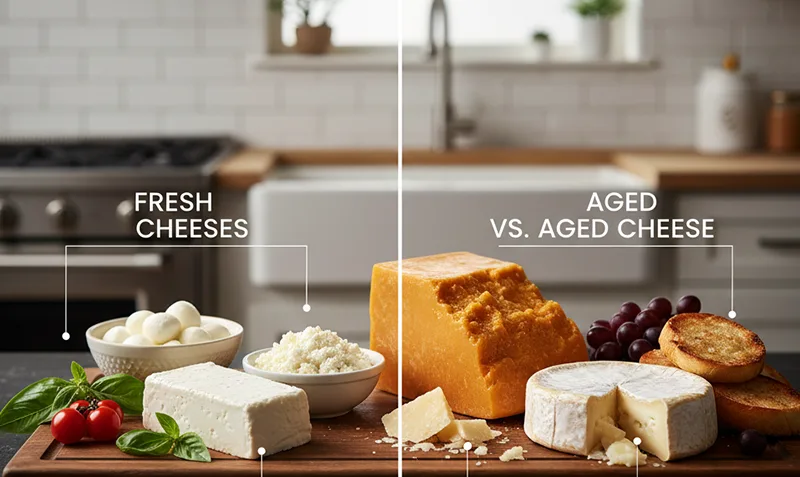
When it comes to cheese, time changes everything! Fresh cheeses are made to be enjoyed right away, keeping all the light and milky flavors of the farm. They are bright, soft, and perfect for a quick snack. On the other hand, aged cheeses are like fine art—they sit in special rooms for months or even years to develop deep, bold flavors and a firmer texture. Whether you want something light and bouncy or something strong and crunchy, understanding the age of your cheese is the key to finding your favorite taste.
Fresh Cheese (The Young Ones):
- Texture: Soft, spreadable, or bouncy.
- Taste: Mild, milky, and slightly sweet.
- Best for: Salads, spreads, and breakfast.
- Examples: Ricotta, Mozzarella, and Burrata.
Aged Cheese (The Classics):
- Texture: Firm, hard, or even crunchy with salt crystals.
- Taste: Strong, salty, and very complex.
- Best for: Cheese boards, grating over pasta, or pairing with fruits.
- Examples: Parmesan, Aged Cheddar, and Manchego.
Hard, Soft, and Semi-Soft Cheese Types
At Prime Rush, we often say: “Tell us the texture you like, and we’ll find the cheese you’ll love!” Some people enjoy a cheese that melts like a dream, while others want a firm bite that packs a punch. The texture of a cheese tells you a lot about how it will behave in your kitchen—whether it’s for a sandwich, a hot pizza, or a luxury cheese platter. Understanding the difference between soft, semi-soft, and hard cheeses is the easiest way to become a pro.
| Cheese Type | How it Feels | Best Way to Eat It | Prime Rush Favorites |
| Soft | Creamy, buttery, and often “runny” | Spread it on warm bread or crackers | Brie, Camembert, Burrata |
| Semi-Soft | Smooth, flexible, and easy to slice | Great for sandwiches or melting on burgers | Havarti, Gouda, Edam |
| Hard | Firm, dry, and sometimes crumbly | Grate it over pasta or eat with fruit | Parmesan, Manchego, Aged Cheddar |
Stay with us to learn about the different types of cheese. You can find a great variety of cheeses for every taste at our store. Don’t forget that you can order all these delicious options right now from the Prime Rush online grocery. If you are in Dubai, we are waiting for you at our JVC and Al Jaddaf branches with a selection that fits every lifestyle!

Popular Cheese Types Used in Cooking and Baking
Cheese is a very important ingredient in many recipes. Some types are great for cooking because they melt well and get stretchy, like Mozzarella on pizza or pasta. Other types are better for baking, especially when you need a smooth and creamy texture for things like cheesecakes or stuffed breads. Using the right cheese helps your food taste much better and gives it the right texture.
At Prime Rush, we have many different cheeses for all kinds of cooking. Whether you need a strong cheese for a sauce or a soft one for your cakes, we have options that fit every taste. You can visit our branches in JVC and Al Jaddaf or shop online to see our full selection. Please contact us for advice on buying the best type of cheese for cooking, baking, or any other dish you are preparing.
Types of Cheese and Their Uses in Different Cuisines
Cheese is the global language of flavor, and every culture uses it in a unique way to make their traditional dishes special. Some cuisines use cheese as a salty topping to finish a meal, while others cook it directly into sauces or fry it as a main course. Understanding how different countries use cheese can give you great ideas for your own kitchen. At Prime Rush, we bring you a selection of cheeses that fit into recipes from all over the world, so you can explore new tastes every day.
| Cuisine | Common Cheese | How They Use It |
| Mexican | Cotija or Queso Fresco | Crumbled over tacos, corn (elote), and beans for a salty finish. |
| Middle Eastern | Akawi or Halloumi | Used in sweet pastries like Kunafa or grilled as a salty side dish. |
| French | Camembert or Gruyère | Melted into rich onion soups or served simply with fresh bread. |
| American | Monterey Jack or Pepper Jack | Loved for its perfect melt on burgers, nachos, and spicy wraps. |
| Swiss | Emmental | The classic choice for Fondue, where it is melted into a warm dip. |
Types of Cheese Based on Texture and Flavor
The easiest way to choose a cheese is to look at its texture and how strong it tastes. Some are light and soft, perfect for spreading, while others are hard and have a very powerful flavor that stays with you. At Prime Rush, we organize our selection so you can find exactly what you need, whether you want something mild for a snack or something sharp for a special recipe.
Cheese Styles: Texture & Flavor
- Soft & Mild: Very creamy and gentle, like Mozzarella or Cream Cheese. Great for breakfast or light snacks.
- Soft & Bold: Creamy texture but with a strong earthy smell, like Brie or Camembert.
- Semi-Hard & Mellow: Easy to slice and has a smooth, nutty taste, like Gouda or Edam.
- Hard & Sharp: Very firm and packed with a salty, intense punch, like Aged Cheddar or Parmesan.
- Crumbly & Tangy: Breaks apart easily and has a sharp, refreshing zing, like Feta or Goat Cheese.

Best Cheeses for Pizza and Pasta
When making pizza or pasta, the cheese you choose is very important for the final taste. Some cheeses are best for melting and getting that famous stretchy look on a pizza. Others are better for grating over a hot bowl of pasta to add a salty or sharp flavor. At Prime Rush, we have all the right types to make your home-cooked meals taste great. We offer different options for every taste, so you can always find what you need for your favorite recipe.
For Pizza:
- Mozzarella: The top choice for pizza because it melts perfectly and has a mild, milky taste.
- Cheddar: Often mixed with Mozzarella to add a bit more color and a sharper flavor.
- Provolone: A great melting cheese that stays smooth and adds a nice aroma.
For Pasta:
- Parmesan: A hard cheese that you grate over pasta for a salty, nutty finish.
- Pecorino: Made from sheep’s milk, it is saltier and stronger than Parmesan.
- Ricotta: A soft and creamy cheese that is perfect for mixing into pasta sauces or filling lasagna.
Types of Cheese for Sandwiches and Burgers
The right cheese can turn a simple sandwich or burger into a perfect meal by adding moisture, creaminess, and a boost of flavor. For burgers, you generally want a cheese that melts quickly and coats the meat, while for sandwiches, you might prefer something that holds its shape or adds a fresh, light taste. At Prime Rush, we have a great variety of cheeses for every kind of bread and filling. You can choose a classic Cheddar for a sharp bite, Swiss cheese for those famous holes and a nutty flavor, or smooth Gouda and Monterey Jack for the ultimate melt.
- The Classic Melt (Cheddar): A favorite for burgers because it has a sharp flavor and melts perfectly into a golden layer.
- The Smooth & Mild (Gouda): Very easy to slice and has a buttery, nutty taste. It is great for cold sandwiches or melted paninis.
- The Sweet & Nutty (Swiss/Emmental): Famous for its holes, this cheese adds a sophisticated flavor that pairs perfectly with mushrooms or deli meats.
- The Creamy All-Star (Monterey Jack): One of the best melting cheeses in the world. It is very mild, making it perfect for spicy burgers or wraps.
- The Tangy Kick (Blue Cheese): For a gourmet burger, a few crumbles of Blue Cheese add a strong, salty, and bold taste that stands out.
- The Fresh & Light (Mozzarella): Best for toasted sandwiches or ciabattas. It is very stretchy and has a gentle, milky flavor.
Healthy Types of Cheese and Their Nutritional Benefits
Choosing the right cheese can actually be a great way to add important nutrients to your diet. While many people think of cheese as just a treat, many types are packed with high-quality protein, calcium, and even healthy bacteria for your gut. Some cheeses are lower in fat and salt, making them a smart choice for people who want to eat healthy without losing the great flavor. At Prime Rush, we offer a variety of healthy cheeses that fit perfectly into a balanced lifestyle, whether you are looking for a high-protein snack or a light addition to your salad.
| Cheese Type | Main Benefit | Why It’s Good for You |
| Cottage Cheese | High Protein | Excellent for muscle building and staying full longer. |
| Feta | Lower Calories | Usually lower in calories and contains good fatty acids. |
| Ricotta | Whey Protein | Rich in whey protein, which helps with muscle growth. |
| Goat Cheese | Easy to Digest | Contains different proteins that are easier on the stomach. |
| Swiss Cheese | Low Sodium | A great choice for people watching their salt and blood pressure. |
Types of Cheese for Vegetarians
Many people are surprised to learn that not all cheeses are vegetarian, as some are made using traditional animal rennet. However, at Prime Rush, we make it easy for you to find delicious vegetarian-friendly options that use plant-based or microbial rennet instead. Whether you are looking for a creamy Paneer for your cooking, a tangy Greek Feta for your salad, or a melted Vegetarian Cheddar for your sandwich, we have a great selection to choose from. You can enjoy all the rich flavors and textures of your favorite cheeses while staying true to your vegetarian lifestyle.

Types of Cheese Around the World You Should Try!
Trying new cheeses is like traveling to a different country without leaving your kitchen. Every part of the world has its own special way of making cheese, using local milk and traditional secrets that have been around for hundreds of years. Exploring these unique flavors is a great way to discover new tastes you might not find in your everyday meals. At Prime Rush, we enjoy bringing these global flavors to you, offering a variety of choices for anyone who loves to try something new and exciting.
- Manchego (Spain): A firm sheep’s milk cheese with a distinct herringbone pattern on its rind. It has a lovely nutty flavor that is not too strong.
- Halloumi (Cyprus): Known as the “grilling cheese,” it has a high melting point, so you can actually fry or grill it until it’s crispy on the outside.
- Havarti (Denmark): An incredibly smooth and creamy cheese with tiny holes. it is very mild and easy for everyone to love.
- Paneer (India): A fresh, unsalted cheese that doesn’t melt. It’s famous for soaking up the spices in hot, delicious curries.
- Camembert (France): Often confused with Brie, but it has a deeper, more earthy flavor. It is very soft and gets better as it sits at room temperature.
Types of Cheese You Can Use in Salads
Adding cheese to a salad is the easiest way to turn a simple bowl of greens into a satisfying meal. The right cheese adds a great texture that balances fresh vegetables, whether you want something salty, creamy, or bold. At Prime Rush, we offer many great options for your bowls, such as crumbly Feta for Greek salads, soft Goat Cheese for sweet pairings, tiny Mozzarella pearls for freshness, or sharp Blue Cheese and Parmesan shavings for a stronger flavor. No matter what ingredients you use, there is always a perfect cheese in our store to make your salad taste much better.
Fresh Cheese vs Aged Cheese
How to Store Cheese Properly?
Storing cheese the right way is the key to keeping its fresh flavor and perfect texture for a longer time. Most people make the mistake of wrapping cheese tightly in plastic, which can actually suffocate it and change its taste. Cheese is a living thing that needs to breathe, but it also needs to stay moist so it doesn’t dry out. At Prime Rush, we want you to enjoy every bite of your purchase, so we recommend using simple tricks like using parchment paper or choosing the right spot in your fridge. Taking just a minute to store your cheese properly will prevent mold and keep it tasting like it just came from our counter.
Quick Storage Tips
- Let it Breathe: Avoid plastic wrap. Instead, wrap your cheese in wax paper or parchment paper. This keeps the moisture in without suffocating the cheese.
- The “Vegetable Drawer” Trick: Store your cheese in the vegetable crisper drawer of your fridge. The temperature and humidity there are more stable and better for cheese.
- Keep it Separate: Strong-smelling cheeses (like Blue cheese) should be kept in their own containers so their scent doesn’t spread to milder cheeses like Mozzarella.
- Don’t Freeze Fresh Cheese: Freezing soft or fresh cheeses like Brie or Ricotta ruins their texture. Only freeze hard cheeses if you plan to use them for cooking later.
- Bring it to Room Temp: For the best flavor, take your cheese out of the fridge about 30 minutes before you eat it. The flavors are much better when the cheese isn’t cold.